
Structural Recovery (Fracture and Disintegration)
Structural salvage allows the hull of a wreck to be recycled through a two-step process: fracturing, which cuts the ship into sections, followed by disintegration, which breaks these sections down into fragments to produce construction materials. Depending on whether it is performed by a light, medium, or heavy ship, this process generates Rubble, Pieces, or Salvage, respectively. These raw materials share the onboard processing unit (filler station) with RMC, which requires the RMC buffer to be emptied first—otherwise the system will become overloaded—before the construction materials can be sent to a refinery.
Module content
Structural salvage takes place after the interior has been inspected, the components have been removed, and the hull has been stripped. This process goes beyond surface treatment and involves breaking down the very framework of the wreck to reduce it to raw materials.
The Surgical Process: Fracture and Disintegration
Structural deconstruction takes place in two distinct, sequential phases:
- The Break: The salvage vessel injects a considerable amount of energy to break apart the hull and internal structure of the wreck, dividing the vessel into smaller subsections.
- Disintegration: Once the vessel has been broken apart, the resulting components are reduced to even smaller fragments, which are then extracted and transformed into usable resources.
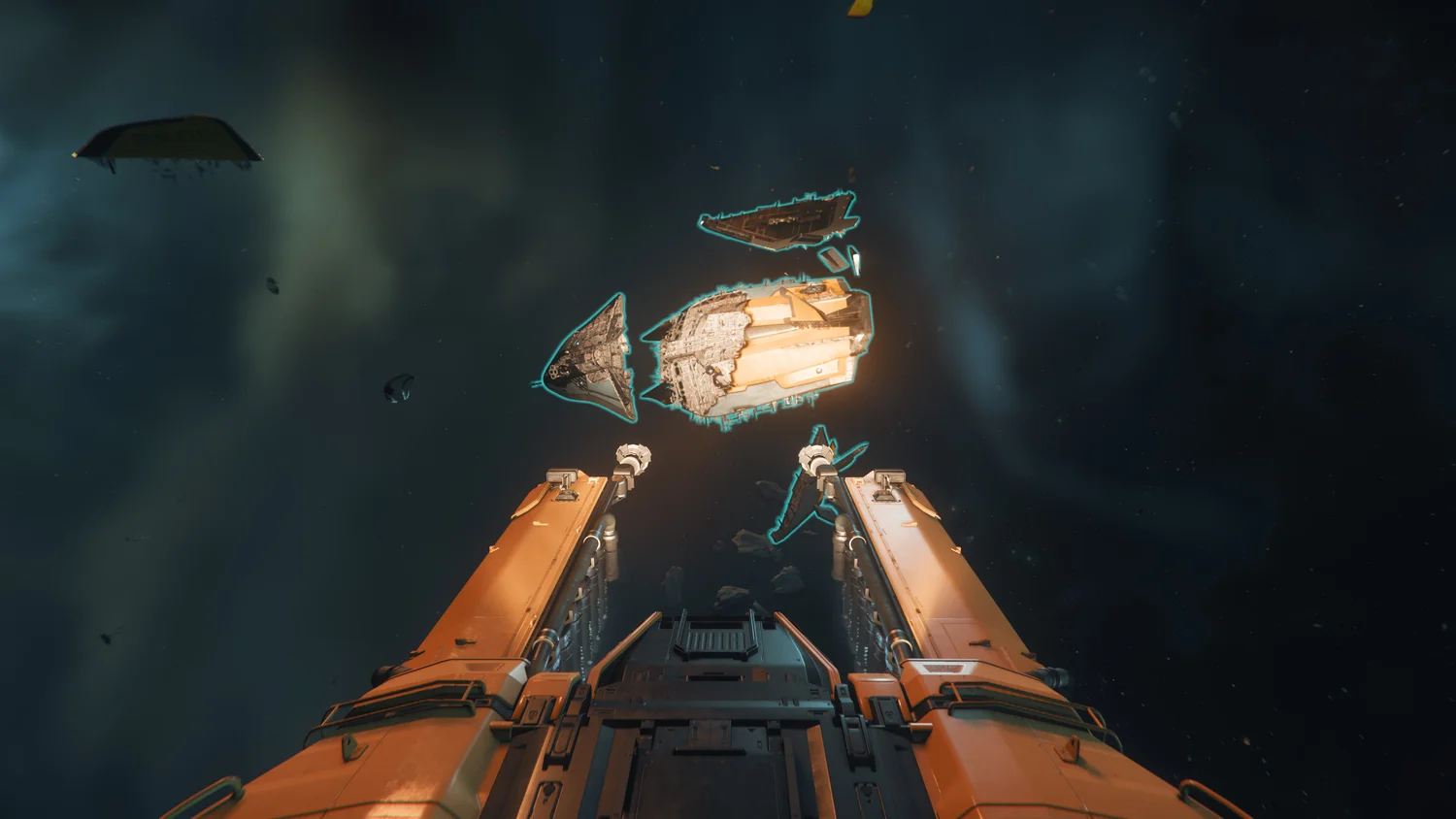
The resource produced: Construction Materials
The disintegration of structures generates a unique resource called Construction Materials.
- Shared Filler Station: Construction materials are sent to the same processing unit (filler station) as the RMC.
- Important precaution: If you have previously stripped the shell, you must eject the RMC from the buffer of the filling unit before beginning the structural salvage process; failure to do so may block or interfere with storage.
- Required Processing: Unlike RMC, which can be sold directly, the construction materials obtained at this stage must be processed at a refinery before they can be sold.
Types of fragments by vessel
The size of the fragments resulting from disintegration and the processing speed vary depending on the class of recovery vessel used:
- Light ships (e.g., RSI Salvation): Reduce structure to rubble.
- Medium-sized vessels (e.g., Argo MOTH): Break the structure down into pieces.
- Heavy ships (e.g., Aegis Reclaimer): Break down their structure into salvage (salvage fragments).
Validation exam
Exam locked
Complete the previous module to unlock this exam.